
Empowering At-Risk Populations through Culinary Holistic Health
CS
Understanding Culinary Holistic Health
Culinary holistic health is an approach that combines the art of cooking with the principles of holistic wellness. It emphasizes using natural, whole foods and cooking techniques that preserve nutrients. This method not only enhances physical health but also supports mental and emotional well-being.
For at-risk populations, this approach offers a pathway to improved health outcomes. By focusing on nutrient-dense foods, individuals can address specific health challenges and enhance their overall quality of life.
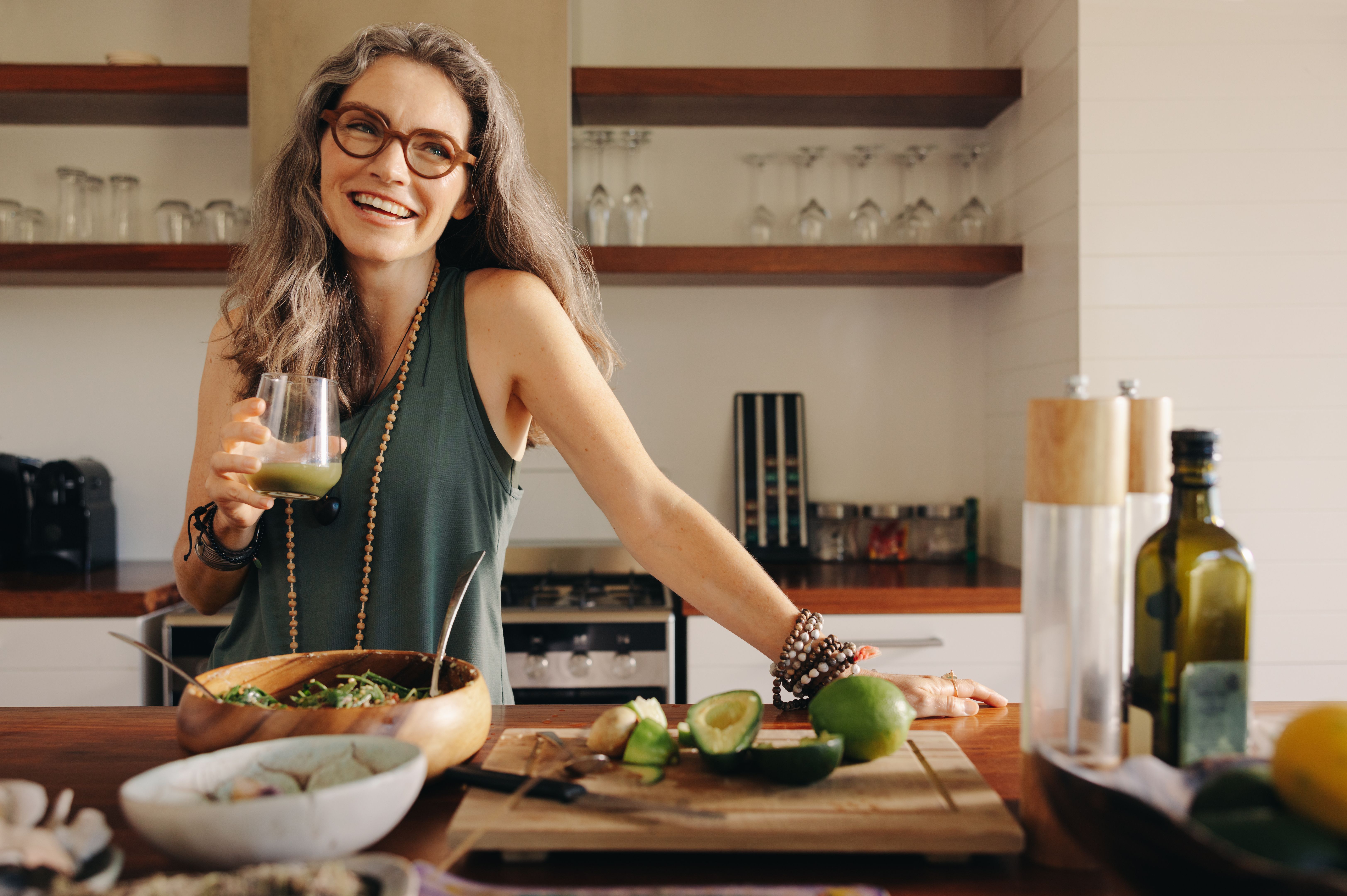
The Benefits for At-Risk Populations
At-risk populations often face unique health challenges, including limited access to nutritious food and higher rates of chronic illnesses. Culinary holistic health can play a crucial role in addressing these issues by providing:
- Nutritional Education: Teaching individuals about the benefits of whole foods and how to prepare them healthily.
- Access to Resources: Providing tools and resources to make healthy cooking accessible and affordable.
- Community Support: Creating a sense of community around shared cooking and eating experiences.
By empowering these communities with knowledge and resources, we can help reduce health disparities and promote wellness.
Implementing Culinary Programs
Successful implementation of culinary holistic health programs requires collaboration between community organizations, healthcare providers, and culinary experts. Key steps include:
- Conducting Needs Assessments: Identifying the specific needs and preferences of the target population.
- Developing Tailored Programs: Creating cooking classes and workshops that address these needs while respecting cultural preferences.
- Building Partnerships: Collaborating with local farms, markets, and chefs to ensure a steady supply of fresh ingredients.
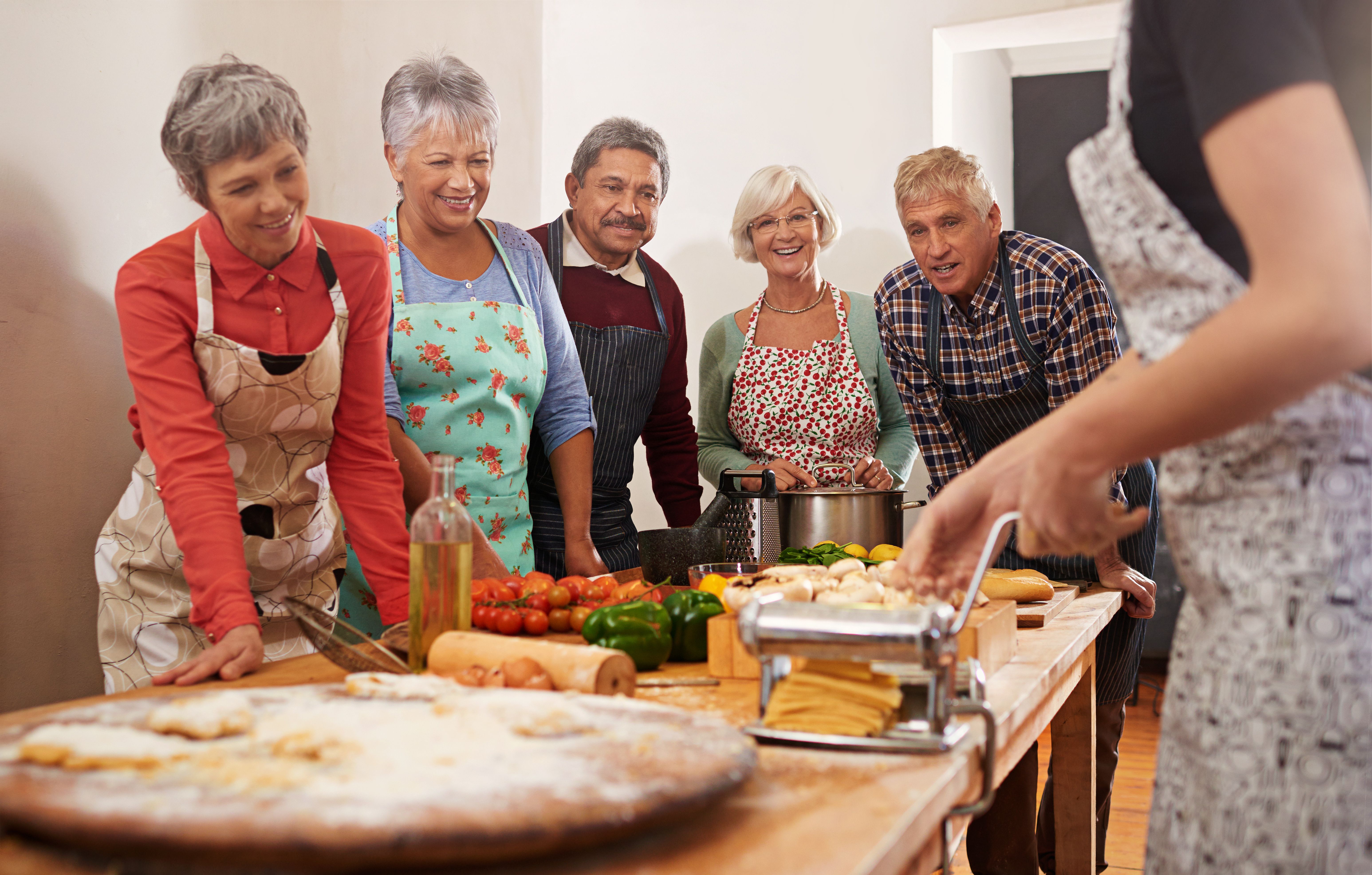
Success Stories and Impact
Across the globe, culinary holistic health initiatives have made a significant impact. Programs that focus on at-risk populations have reported improvements in dietary habits, reductions in chronic disease symptoms, and enhanced community engagement.
One notable success story is a community-based initiative that provided cooking classes for low-income families. Participants not only improved their cooking skills but also reported better health outcomes and increased confidence in their ability to make healthy choices.
Challenges and Opportunities
While the potential benefits are significant, there are challenges to implementing culinary holistic health programs. These include securing funding, overcoming logistical barriers, and ensuring sustained community engagement.

However, these challenges present opportunities for innovation and collaboration. By leveraging technology and forging strong community partnerships, we can overcome these barriers and expand the reach of these programs.
Conclusion: A Path Forward
Empowering at-risk populations through culinary holistic health is not just about food; it's about creating a healthier, more equitable future. By investing in these programs, we can foster resilience, improve health outcomes, and build stronger communities.
As we move forward, it is essential to continue advocating for and supporting these initiatives, ensuring that everyone has the opportunity to enjoy the benefits of holistic health.